Four parts made for four different jobs
KLOW peptide joins four substances that your body clears on separate clocks
Researchers made KPV, GHK-Cu, BPC-157, and TB-500 for different aims. You'll see what each one did alone. You'll also see what nobody has tested together.
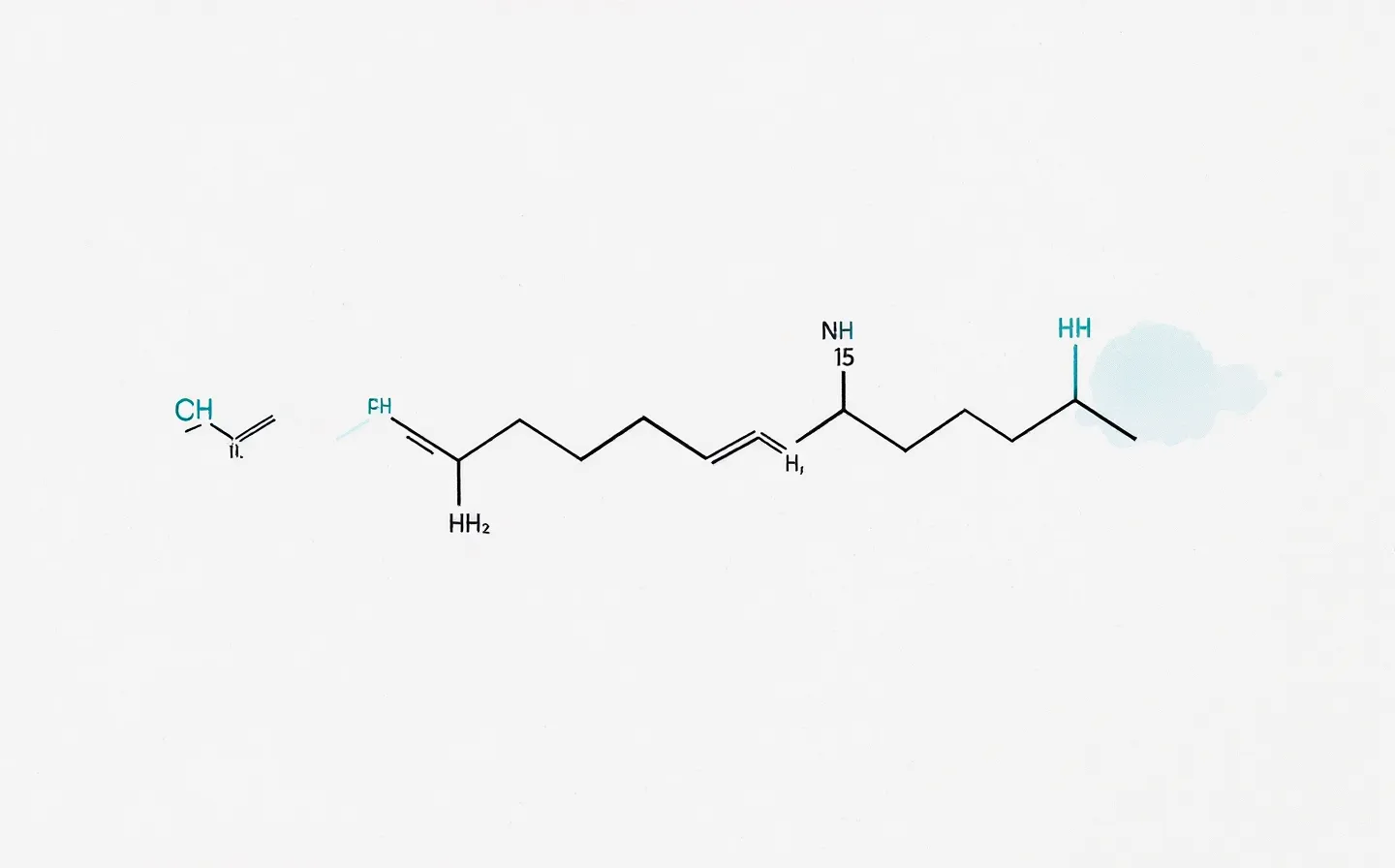
The four parts were made for different jobs
Researchers first made each part for a different task. KPV work asked about a sore, swollen gut. GHK-Cu work asked about skin repair. Scientists copied BPC-157 from a stomach protein. Its fifteen amino acids are protein building blocks. They tested the stomach copy in rat tendons and guts. TB-500 copies a small part taken from thymosin beta-4. That larger protein occurs in your body. Only the larger protein has wound research. The short copy doesn’t.
A common lab vial holds 80 mg total. GHK-Cu makes up 50 mg. BPC-157 adds 10 mg. TB-500 adds 10 mg. KPV supplies the last 10 mg. Sellers call that four-part mix KLOW.
The studies kept those four parts apart. Rodents and lab-grown cells gave most results. Very few people joined the research. The complete mix hasn’t had a fair test. The four parts may not help each other.
The four parts leave your blood on separate clocks. The klow stack page gives the measured times. Four even blood levels won’t come from one vial.
Repair, swelling, and skin drive the interest. Interest doesn't mean KLOW will help you. The KLOW effects page names the main risks.
Animal findings can't predict your tendon, gut, or skin.
Your doctor can weigh these gaps against your health. You can’t get that answer from a vial.
KLOW keeps all four parts separate
One dry KLOW vial holds four peptides. Peptides are strings of protein building blocks. Water only spreads the four through one liquid. It can’t make a new drug. Your body still faces four separate substances.
Most lab vials hold 80 mg in all. GHK-Cu supplies 50 mg, about 62.5% of the weight. BPC-157 supplies 10 mg. TB-500 supplies 10 mg. KPV supplies 10 mg. No approved drug book lists this mix. No KLOW product has FDA approval.
FDA approval doesn't cover any part in KLOW. FDA's page, current as of April 22, 2026, says the nominations for BPC-157 were withdrawn and the substance is no longer in Category 2; FDA has not said what follows for a pharmacy. That isn't a rank or an approval. The category flags serious safety concerns when pharmacies make a drug to order. TB-500 copies a small section of thymosin beta-4. That larger protein is made by the body. WADA sets the banned list used in world sport. Its rules ban the protein and its copy at all times.
Every claimed benefit came from one part alone. Those separate results don't prove KLOW works.
The label only tells you what's inside. It can't show how you'll react.
KLOW peptide joins four kinds of repair
The sellers pair four parts with four aims. KPV may calm immune signals that cause swelling. GHK-Cu brings copper needed while collagen forms. Collagen gives skin and tendons much of their strength. BPC-157 may help hurt tissue form small blood vessels. TB-500 is said to help cover a wound. That claim belongs to the larger protein. It doesn’t belong to TB-500.
The plan sounds neat. It hasn't worked that way in a test. No study gave all four parts together. You can't know whether one helps or blocks another. Each paper studied one part [1][3][4][5][6].
BPC-157 helped hurt tissue in rats [2]. The larger thymosin beta-4 protein aided wound closure [1]. The short copy includes only a small section of that protein. Lab cells and mice had less gut swelling after KPV [3]. GHK-Cu helped treated skin make collagen [4][5].
None of those results proves KLOW will help you.
A rat tendon can’t forecast yours.
Your tendon needs human evidence. Animal work can’t tell you how yours will heal.
The four parts don't last equally long
One fact matters most about what is klow peptide. Your body removes the four parts at different speeds.
In rats and dogs, half the BPC-157 left within about 30 minutes [8]. KPV may leave fast. GHK-Cu may do the same. Rat blood broke GHK apart quickly [9]. TB-500 isn't the same as full thymosin beta-4. Researchers haven't timed the short piece after a shot.
Now think about the 80 mg vial after use. All four parts start together. They don't stay together in your blood. Some may be gone while others remain. BPC-157 is the one timed example. You can't make their levels match with one vial.
The klow stack page compares those times.
Your blood won't keep every part at one level.
Animal studies found repair, but human proof is thin
The clearest tendon result came from rats. Each rat got 10 micrograms per kilogram of body weight. BPC-157 helped cut Achilles tendons work and bear force [2]. Your tendon might not react that way.
The larger thymosin beta-4 protein also aided rat wounds. After four days, new skin covered 42% more area. Seven days brought a gain of 61%. Researchers put 10 trillionths of a gram of that protein on dish-grown skin cells [1]. The cells moved into an open gap. That lab step isn't wound healing in you. Work on thymosin beta-4 left out short TB-500. It doesn’t show TB-500 closes your wound.
After KPV, gut cells released fewer signs of swelling. It also helped mice with colitis, a sore and swollen colon [3]. GHK-Cu work found more collagen in treated skin. At age 20, the paper reported about 200 nanograms of GHK per milliliter. A nanogram is one-billionth of a gram. At age 60, it reported about 80 nanograms per milliliter. That change doesn't mark a good or bad level. It also doesn't prove extra GHK-Cu helps you. Collagen rose in 70% of the women whose skin was treated [4].
A 2026 review called the animal results hopeful. It found little firm safety proof in people [7]. One small BPC-157 test used up to 20 mg. Only two healthy adults took part. Neither adult reported harm [6]. The test watched safety, not healing.
You'll find each paper under KLOW research.
Your knee may not follow any of these results.